
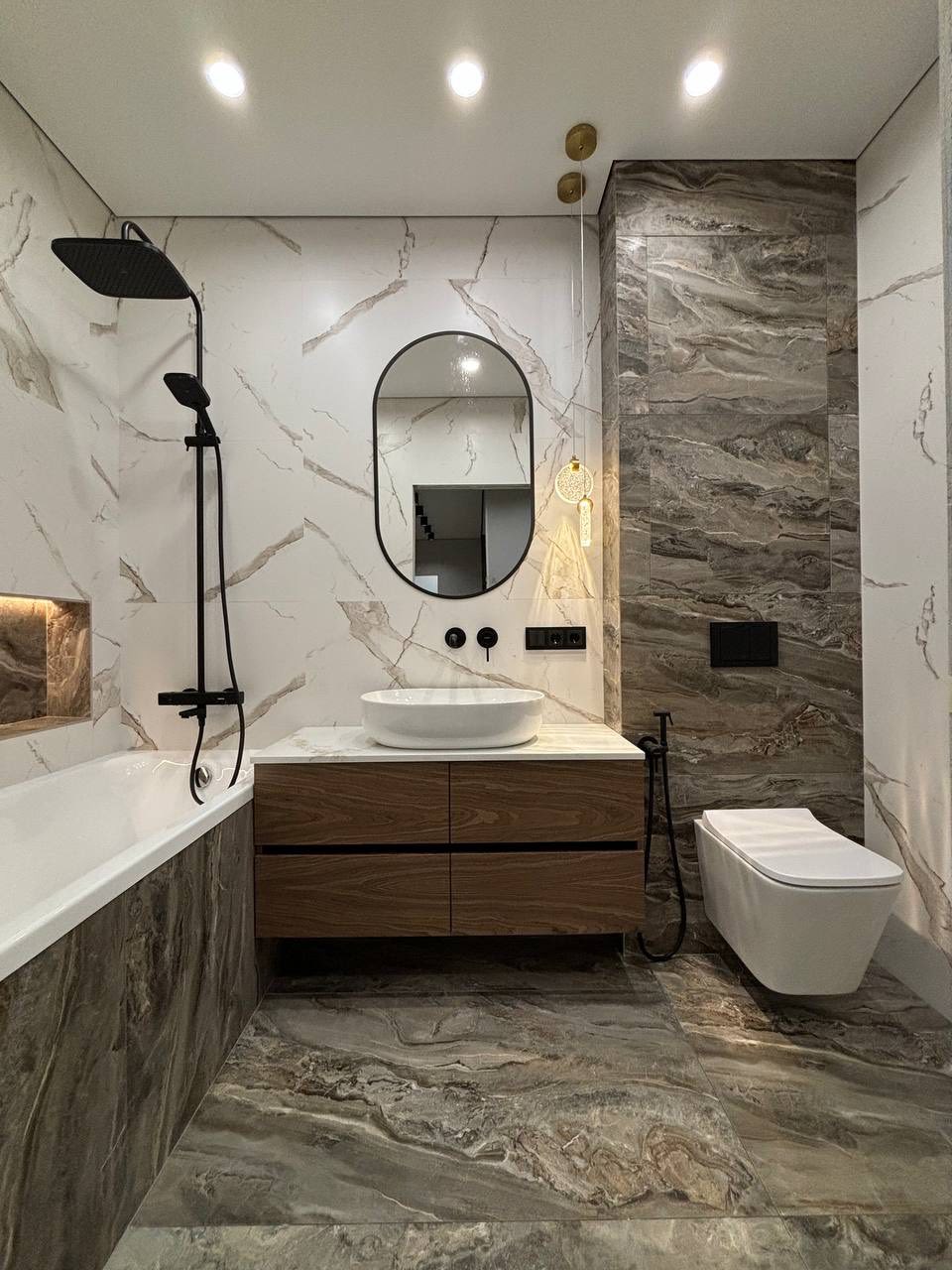
An apartment renovation does not start with demolition but with decisions. Before contacting a contractor, describe the result you want, which rooms change and which existing solutions stay. The more precise the starting information, the lower the risk that different quotes cover completely different scopes.
1. Set the goal and scope of the renovation
First distinguish a refresh from a full renovation. A refresh may only need surface repairs, painting, new flooring, skirting and doors. A full renovation can include electrical and plumbing work, rebuilding wet rooms, changing walls and fully restoring substrates.
- List every room to be renovated and its approximate floor area.
- Note whether the apartment will be empty during the work or lived in.
- Describe what you definitely want to keep: floor, doors, kitchen or sanitary ware.
- Add photos of the current state and, if possible, the apartment floor plan.
2. Write a brief the contractor can understand
A good brief does not have to be a technical design. A room-by-room list that separates demolition, preparation, technical work, finishing and installation is enough. For a bathroom, for example, mention whether sanitary ware moves, whether new waterproofing is needed and what tile size and layout you want.
Property location, room sizes, photos, list of work wanted, material preferences and the preferred completion date.
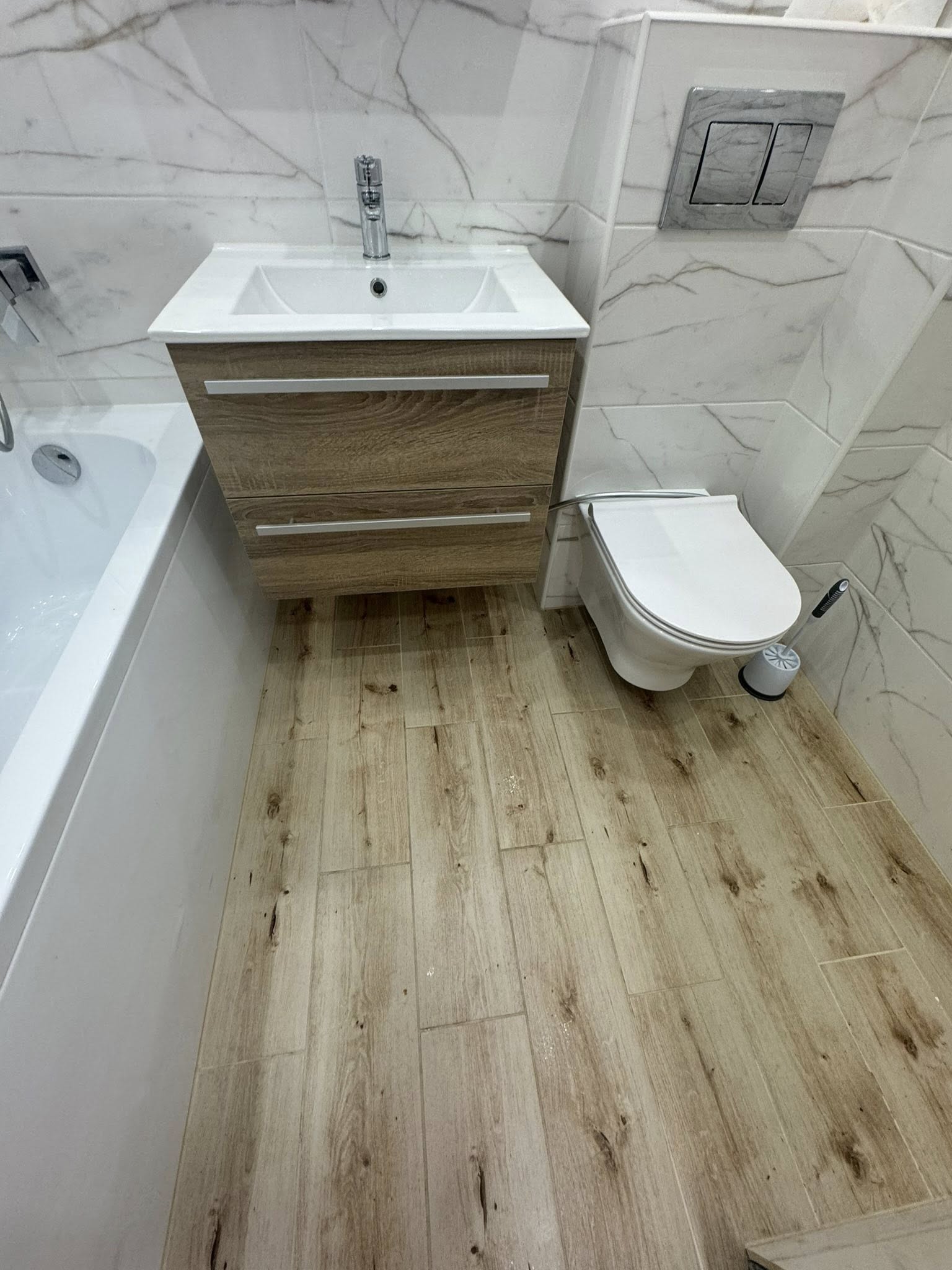
3. Plan the budget with a reserve
The final price depends on the condition of existing structures, the complexity of the work, the choice of materials, access to the property and how many decisions are made only during the work. The cheapest quote may leave out waste removal, transport, substrate repairs or small finishing details.
In the budget, look separately at labour, base materials, finishing materials, sanitary ware and other products. Keep a reserve for things that only appear once old finishes are removed. The size of the reserve depends on the age of the property and how many structures are opened up.
4. Fix the order of work before starting
- Protecting the property, dismantling and demolition.
- Electrical, water, drainage and ventilation work.
- Restoring wall, ceiling and floor substrates.
- Waterproofing and tiling of wet rooms.
- Painting, wallpapering and laying floor coverings.
- Installing interior doors, skirting, sanitary ware, lights and accessories.
- Final check, fixes and cleaning.
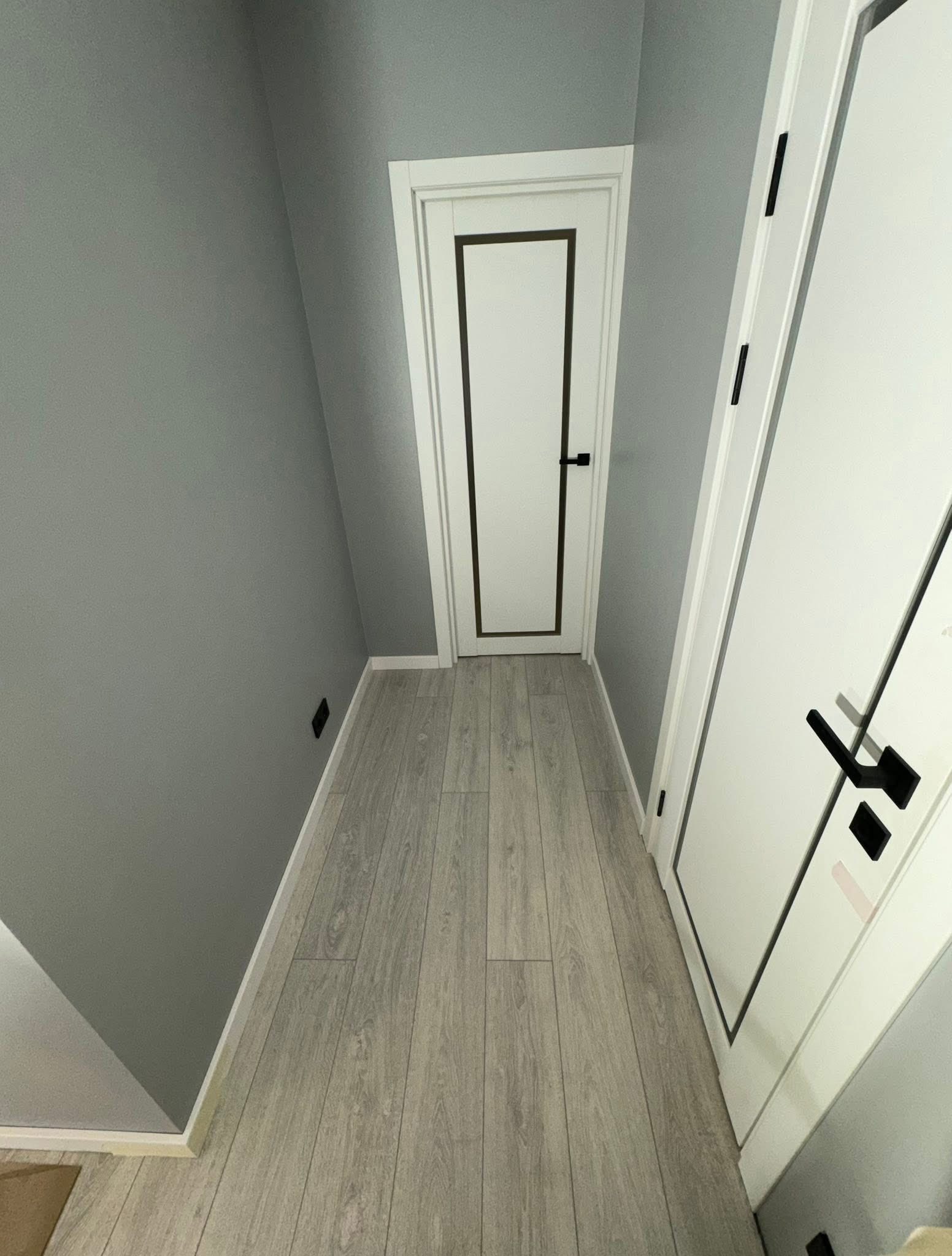
The actual order depends on the property, but technical work must be solved before surfaces are closed. Door sizes, opening directions and the final floor height should also be confirmed early, even though doors are installed at the end.
5. Compare contractor quotes by content, not only by total
A comparable quote should clearly show the scope, responsibility for materials, payment schedule, expected timeline and how extra work is handled. Ask who arranges material transport, waste removal and final cleaning. If a line is vague, clarify before agreeing what result that price includes.
- Are preparation and substrate repairs included?
- Does the quote include materials or labour only?
- How are changes and extra work agreed during the job?
- Which stages are reviewed together before the next work begins?
6. Check quality stage by stage
Not everything can be checked at the end. Wiring, pipes, waterproofing and substrates are covered by later layers. So it makes sense to photograph key stages and review hidden work before it is closed up.
At the final check, look at surface evenness, joints, seams, door operation, sanitary fixings, sockets, lighting and a clean work area. Write any defects in one list with a deadline for fixing them.
Checklist before asking for a quote
- Property address or area (Tallinn, Harju County or elsewhere in Estonia)
- List of rooms to renovate and approximate floor area
- Photos of every room and problem spots
- List of work wanted and elements to keep
- Material and colour preferences
- Preferred start date and deadline constraints
- Information on access, parking, lift and waste handling

Author: Stiimul Ehitus OÜ
The company renovates apartments and premises, does interior finishing and supplies and installs doors, windows and sun protection in Tallinn, Harju County and, by arrangement, across Estonia.
See renovation services